
Panel: A.I. And The Work We All Do: What Comes Next?
Artificial intelligence is already brushing up against the edges of the voice world —quietly in the background, and sometimes uncomfortably close to center stage. In this 90-minute session, we focus on various vantage points that reflect our community : the voice teacher, the voice therapist, the laryngologist, and the singer. With James Thomas, Lee Cary, Anthony Law, and a moderated discussion, we will explore how AI may reshape assessment, training, diagnosis, and even identity in voice.
This is not a tech demo - but more of a provocation. What does it mean to be a voice expert when machines can listen, analyze, and even imitate? What does the singer lose—or gain—when artistry meets algorithm? We will ask you to think forward: five years, ten years. Where does each role expand, where does it erode, and where does it fundamentally change? And for those not ready to dive in headfirst, we will map practical, low-stakes entry points to begin engaging with AI today. The goal is not consensus—it is clarity. About opportunity, about risk, and about what parts of our work are truly irreplaceable.
James Thomas, MD
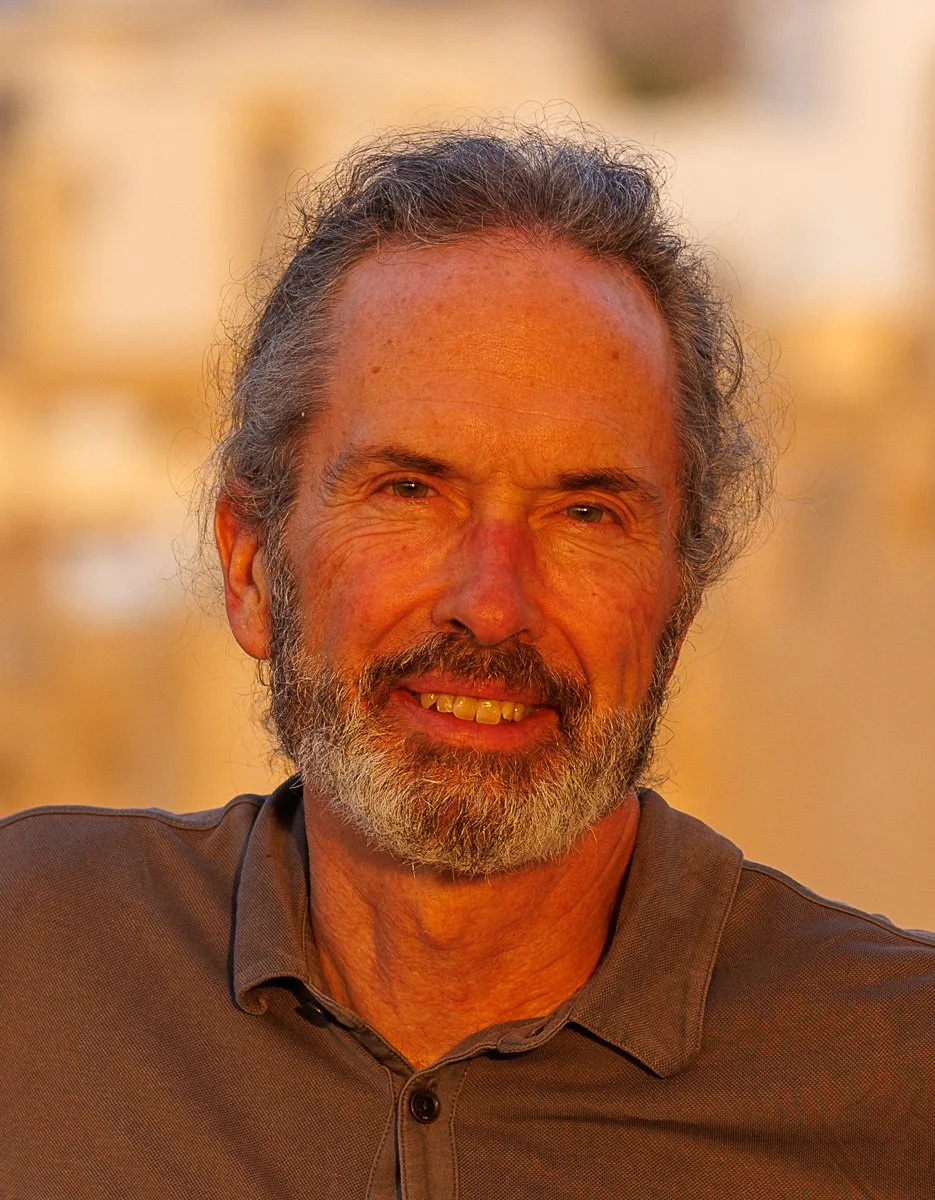
Albert Merati, M.D., is a surgeon and chief of Laryngology at UW Medicine's Head and Neck Surgery Center.
Dr. Merati believes the secret to caring for the patient is caring about the patient. He has a long association with UW Medical Center, and actually had his tonsils removed at the UW as a child.
Dr. Merati earned his M.D. at the UW. He has clinical expertise in office-based and operative laryngology, including complex airway, voice and swallowing. This includes vocal fold paralysis, surgery for dysphagia/aspiration (including Zenker's), and endoscopic and open surgery for airway stenosis and laryngeal cancer.
Dr. Merati's research has related to the better understanding the dominant clinical issues facing patients, including diagnostic testing and treatment of vocal fold paralysis, surgical management of airway stenosis, the impact of reflux on laryngeal disorders and tracheotomy complications.
Financial Disclosure: Dr. Thomas has no financial relationships to disclose.
Non-Financial Disclosure: Dr. Thomas has no non-financial relationships to disclose.